

Overcoming
a financial crisis is no easy task, and getting back on track is a journey on
its own. However, what has already happened in the past is still
affecting the present condition of your credit report. Delinquencies,
hard inquiries, applications and Days-Past-Due — communicating your financial
struggle to lenders and banks. Now it is time to rebuild a positive credit
score. You have heard of some financial products that help build credit, but
that’s all that you know.
Read this article for a clearer idea of ‘how to rebuild credit score’.
Practices to rebuild credit score after ‘the storm’
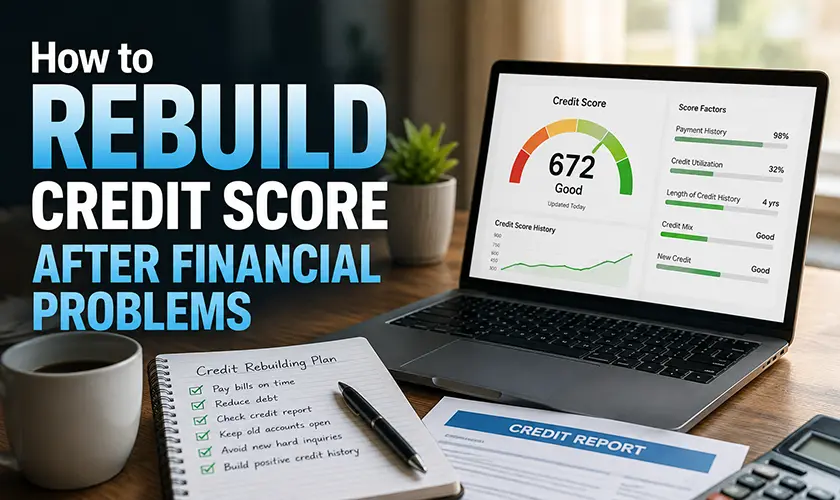
Credit repair after financial struggle doesn't only mean paying off debts and delinquencies. It also means that you should proactively build trust with banks and lenders. You can do this by consistently demonstrating disciplined and responsible creditor habits. This shows that you are overcoming your struggle and managing all types of credit systematically.
1. What are the current odds?
To
move into the future, you need to evaluate the ground you are standing on. A
credit score check gives you a clear picture of your situation, what affected
you during the setback, and what the result was.
Ensure that there are no errors from the past that could hold you back in the future. If there are any errors or discrepancies on your credit report, file a dispute immediately.
2. On-time payments
Now
that you know the weak points to work on, you can visualise a roadmap that can
help you rebuild credit score. But no matter what your objectives are, you must
make on-time payments. This makes up the
largest share of your credit score, so set your payment reminders or
auto-debit. Once you stay disciplined in this factor, the rest of the work
becomes a lot simpler, as you are already earning positive credit points.
3. Pay off your debts
Revolving credit is different from instalment loans. The former is evaluated as CUR, while the latter leaves a long-term result. Credit card payments can affect your daily credit score changes, while late and overdue payments can be harsher and prone to damage. Whether or not these delinquencies were a result of your struggle, make sure to pay all due amounts in full for a clean impression.
4. Lower your credit usage.
Whether
you want an increase or to rebuild your credit score, low credit utilisation is
a must for all. Maintain a 10% CUR for a positive impact. Now that you are
managing your expenses efficiently, your credit score will gradually go up.
5. Manage your delinquencies
There
are different methods to pay off your debt; you can pick one which works best
for you. Pay off high-interest debt or the oldest due amounts first, followed
by smaller amounts that you can afford to get closure for.
Once things look easy, you will gain confidence in your game plan. Talk to lenders and authorities; don't keep them in the dark. Come up with a mutual resolution so that you can easily land a conclusion. The key is to avoid settlements; try to pay back in full.
6. Avoid Applying For New Credit
Too many applications are clear signs of struggle and financial hardship. Hard inquiries can drastically pull down your score, so avoid any new credit cards or loans during this timeframe.
7. Credit Mix
Once
things start to look stable, incorporate credit mix practices. Keep it natural
and be patient; don’t rush into diverse forms of credit. Once you have new
lines of credit, you can manage them for credit score improvement. Also, keep
your old accounts active that demonstrate your past credit management
behaviour.
Products that help you rebuild credit score
Some financial products are especially designed to give your credit score an upward push. Not only do they improve and build your credit, but they also help you pay off your debt in a systematic way. Consider incorporating them into your plan to rebuild credit score for a clean record. Each program comes with its own benefits, so you choose which one is most tailored to your needs.
Secured
Credit Card
This
is easy to obtain as it offers security up front. A secured credit card is
backed by a fixed deposit, which makes it low-risk and perfect for building new
credit. Use credit in small amounts and pay it back promptly and consistently
to increase and rebuild credit score. Banks view this type of credit as secure
and creditworthy.
Debt
Consolidation
This
is an easy method that streamlines your debt repayments in one instalment. This
builds consistency and effectiveness in your debt management, reducing stress
at the same time. Common types include unsecured personal loans and specialised
debt consolidation loans.
Credit
Builder Loans
This
type of credit-rebuilding loan is designed specifically towards fixing a low
credit score. The main purpose of this loan is not to lend credit but to build
new credit. Consistent efforts can show results in a few months.
Your
damaged credit history can catch up using this loan. It re-establishes your
past positive behaviour. This portrays discipline and credibility to lenders
and banks to rebuild credit score after a financial hardship.
Secured Loan
A
secured loan is very different from an unsecured loan. It is backed by
collateral and doesn't require a credit score check. As banks view the deposit
like gold or a fixed deposit as security, it becomes an excellent option to
rebuild credit score.
Consumer Durable Loan
This loan is a small to moderate amount of credit taken to finance household or electronic items. This helps rebuild credit score and trust because it shows your repayment habits for small debts.
Conclusion
Consistent
and strategic rethinking is important to rebuild credit score. Replan your
credit management after conducting credit report checks and identifying weak
spots as a result of damage caused during the financial struggle. Going through
temporary setbacks is natural and part of life, and so is rebuilding your
credit score. Disputing errors and repaying debts are the first steps of this
journey.
One thing that might motivate you is that even with the existing damage, lenders and banks notice your efforts. They view it as practices that rebuild credit score rather than shying away from financial stress.
Finally, there are plenty of financial programs that help you repay your debt or rebuild credit score after financial hardship. These include debt consolidation programs, personal loans, and secured credit cards.
FAQs
1. How can I rebuild credit score fast?
Pay off revolving credit, dispute errors to remove credit burden and optimise credit utilisation ratio. This is the fastest plan to see results in your credit score.
2. How much time does it take to rebuild credit score after financial problems?
It may take anywhere between 6 and 12 months, depending on the severity and complexity of delinquencies. Show consistent efforts and disciplined credit practices to resolve delinquencies and rebuild trust.
3. What is the most effective way to rebuild credit score?
Secured credit cards, debt consolidation programs and personal loans are targeted plans to manage debt after financial stress.
4. What should be my CUR to rebuild credit score?
10% CUR is the fastest and most effective way to rebuild credit score. This shows credit management and disciplined repayment practices.
5. Can paying off collections improve my credit score?
Yes,
paying off collections and damages from financial setbacks shows
responsibility. Although such records are preserved for 7 years.